
Key Benefits
A group that holds
Start it, add a room, drop a room. The song stays together because the network can carry it.
Wi‑Fi where you listen
Coverage in the rooms you group, with a wired path so the group is not hopping across the house.
Speakers after the network
Fix what is dropping the group before you buy another wireless speaker.
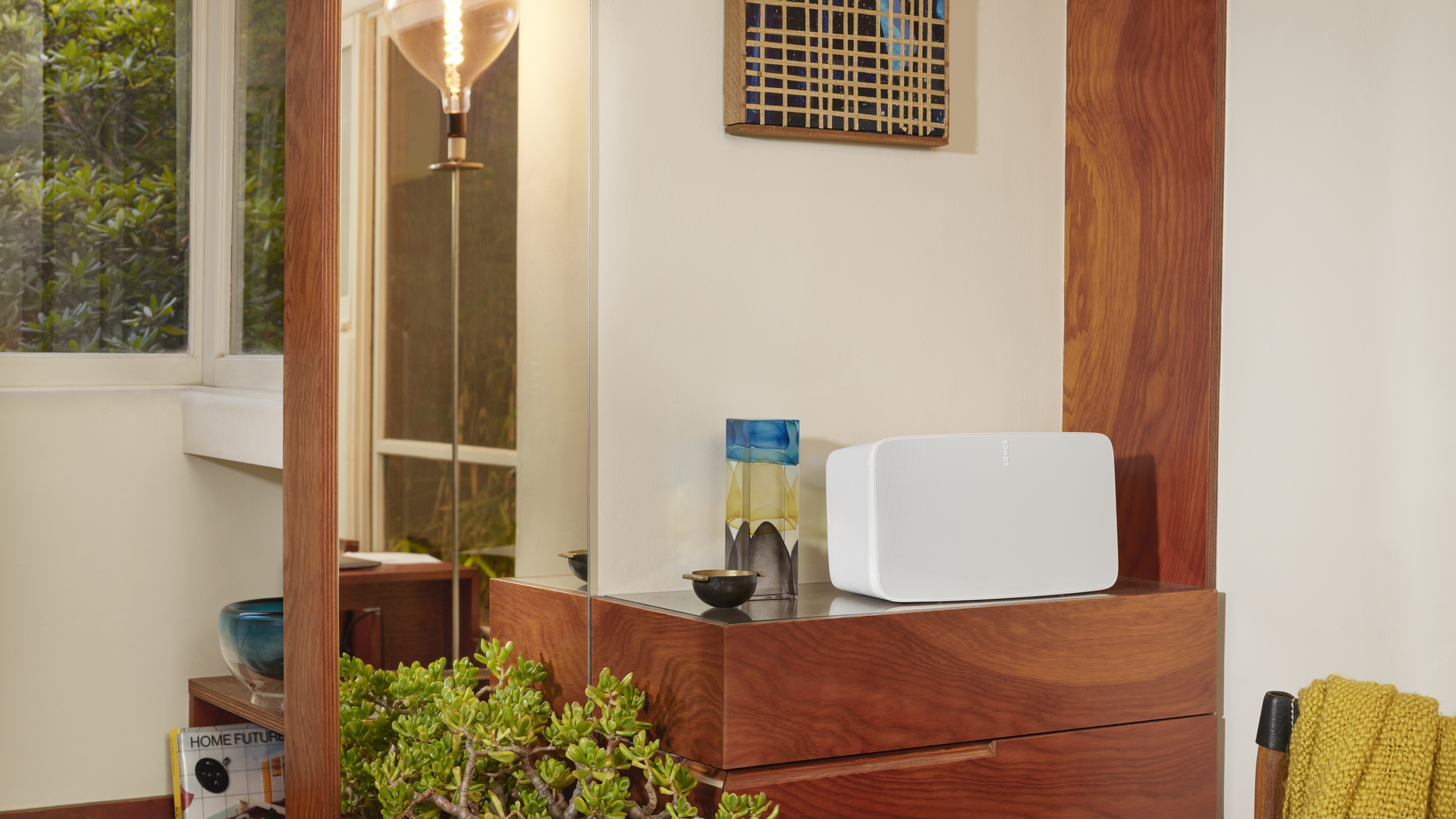
The kitchen starts the song. The living room stays with it. Someone adds the room upstairs, or the patio for dinner, and the beat does not split. Later you leave the patio quiet and let a bedroom drop out without stopping the rest. Wi‑Fi ready for Sonos is that evening: a group you can start, a room you can leave, and the song still together when you sit down.
Grouped playback, the services the household already uses, and a speaker tuned to its room only hold if every player can stay on the home network. When a room should leave the air — in-ceiling, in-wall, or weather-rated outdoor speakers on a wire — it still joins the same system from a dry indoor Amp. None of that works if the path to a player keeps dropping.
Why Wi‑Fi kills groups
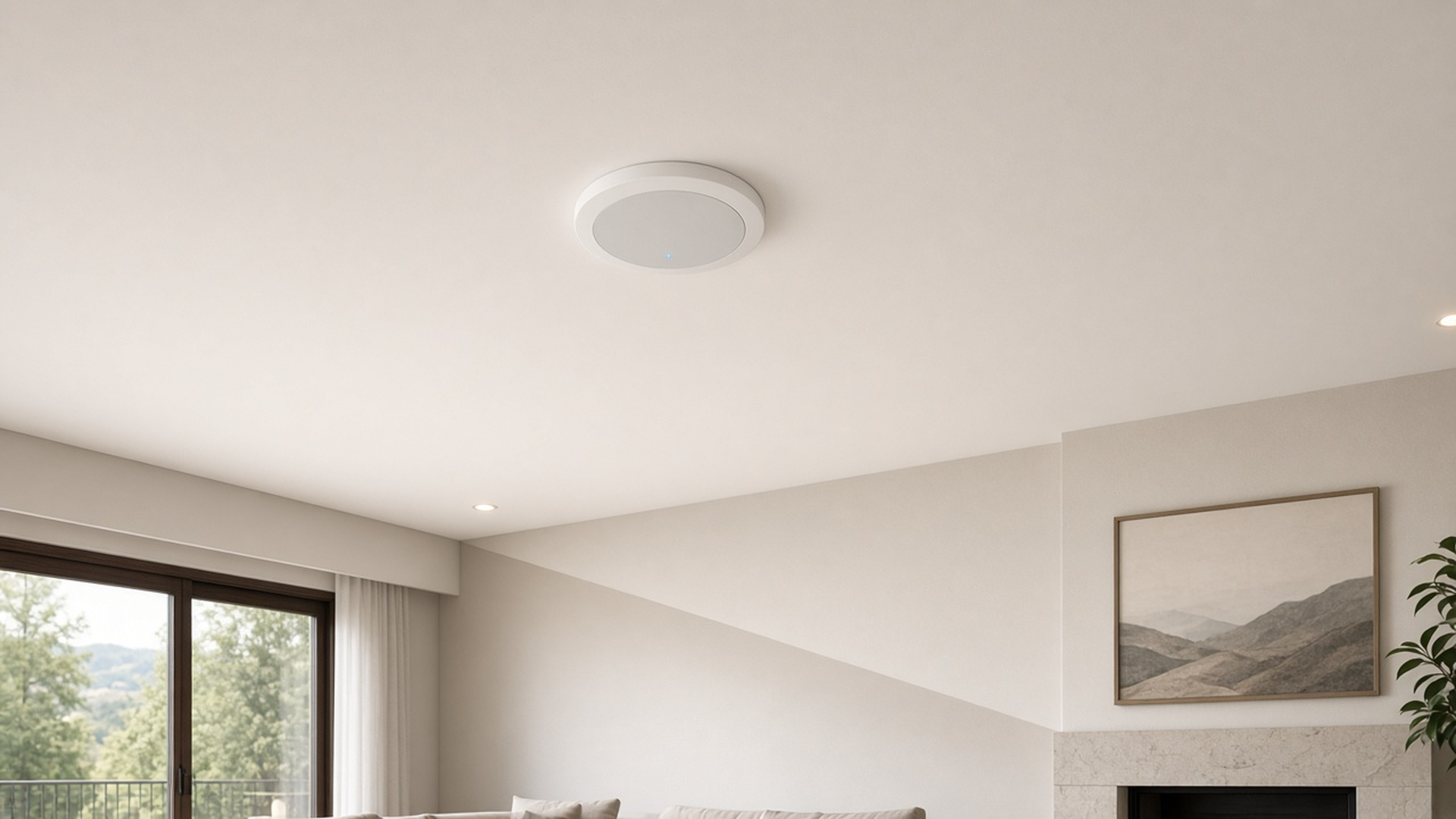
Grouped playback needs every player on the same network with a steady connection. A strong signal next to the router does not mean the far bedroom, a room behind plaster or stone, or the patio can stay with the song. One router in a closet, or a wireless hop stretched across the house while calls and cameras share the air, runs out of room. The group drops. Another wireless speaker on that same weak path often makes it worse.
What HomeIQ checks and fixes
We look at the rooms you actually group, especially where one already fades once the house is busy. We put Wi‑Fi where you listen, with a wired path back, so the group is not riding a chain of wireless hops. Rooms that should leave Wi‑Fi still show up in the same app as the speakers that stay wireless.
Open walls are the easier moment to place that wire. A finished house can still be done: move the Wi‑Fi closer to the rooms you group, and run a wire where the building allows.
Book a free consult or call (707) 329-0550 — tell us which rooms drop and whether the walls are still open. Photos of the equipment and the rooms that fail are enough to start.
HomeIQ serves Marin, Sonoma, Napa, and San Francisco. A cottage across the yard is the same question on a longer path — see Sonos for the guest house.
How it works
Map the drops
Which rooms leave the group, and when the house is busy.
Fix the path
Wi‑Fi where you listen, and a wire back where the air runs out.
Walk through it
A group you can start, and a short note on what changed.
Frequently Asked Questions
A far room, stone, or a house already full of calls and cameras can break the link. The speaker is usually fine. We put Wi‑Fi where you listen, with a wire back when the air cannot hold the group.
Usually no. Another wireless speaker on a weak network makes the group harder to hold. We fix the path, then size the rooms.
Yes. A dry indoor Amp can drive in-ceiling, in-wall, or weather-rated outdoor speakers so that room is not on Wi‑Fi, and it can still join the rest of the house.
Yes. We design, install and support Sonos systems, with the network planned alongside the speakers.